


Fall Field Management: Residue Breakdown and Weed Control for Spring Success
As harvest wraps up, it’s easy to focus on getting equipment cleaned up and preparing for winter. However, what you do after harvest can have a lasting impact on next year’s crop. A strong fall field management program helps create favorable planting conditions, supports nutrient availability, and reduces weed pressure before spring arrives.
Two tools that can play an important role in your fall field management strategy are PCT | Sunrise® BioBuild® Digester II and PCT | Sunrise Croprotek® 2,4-D LV6. While they serve different purposes, both products help prepare fields for a productive start the following season.
Why Fall Field Management Matters
Every acre holds opportunities after harvest. Corn residue contains valuable nutrients, but those nutrients remain locked within stalks and plant material until decomposition occurs. At the same time, many troublesome broadleaf weeds begin establishing themselves for next spring.
By targeting both residue and weeds in the fall, growers can improve field conditions and set themselves up for a smoother planting season.
Break Down Corn Residue with BioBuild Digester II
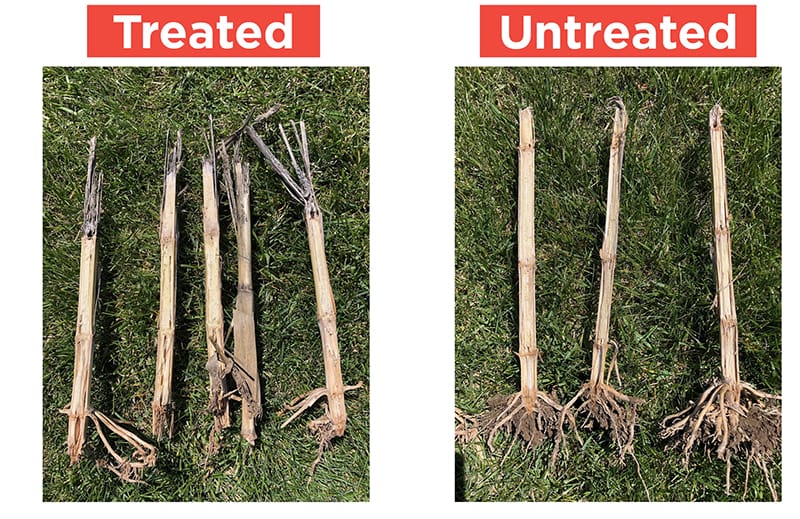
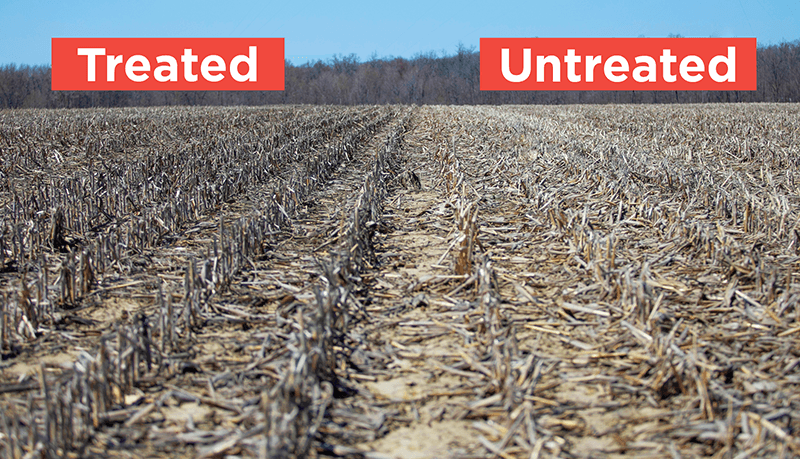
BioBuild Digester II is a highly concentrated blend of beneficial microorganisms designed to accelerate the breakdown of recent crop residue. The product works by naturally breaking down residue while helping return trapped nutrients to the next crop.
Digester II contains naturally occurring microorganisms along with organic acids, amino acids, and seaweed extract that support microbial activity. The product is specifically designed to improve the breakdown of cellulose, proteins, lipids, starches, lignins, and chitins commonly found in crop residue.
Benefits of BioBuild Digester II
- Increase nutrient availability
- Improve organic matter and CEC levels
- Reduce volunteer corn germination potential
- Minimize tire damage caused by rigid stalks
- Reduce residue that can serve as a food source for overwintering pathogens
- Continue working over winter, even though activity slows during colder temperatures
- Integrate with fall herbicide applications
The product is applied at 1 pint per acre and performs best when temperatures remain above 32°F. Adequate spray coverage of residue is recommended to maximize effectiveness.
Control Weeds Before They Become a Spring Problem
Residue management is only part of an effective fall field management plan. Fall is also an excellent time to target emerged broadleaf weeds before they become more difficult and costly to control in the spring.
Croprotek 2,4-D LV6 is a Group 4 herbicide formulated for broadleaf weed control. The product is labeled for a wide range of agricultural uses and provides control of many annual, biennial, and perennial broadleaf weeds.
Among the weeds listed on the label are:
- Horseweed (marestail)
- Lambsquarters
- Ragweed
- Pigweeds
- Kochia
- Wild carrot
- Mustards
- Canada thistle
- Dandelion
- Bindweed and other perennial broadleaf weeds
The label includes fallow ground and post-harvest applications where weeds are actively growing, making it a valuable option for fall burndown programs.
Why Consider a Fall Burndown?
Many growers focus their weed control efforts in the spring, but fall applications can provide several advantages.
A fall burndown helps reduce the number of overwintering weeds, allowing fields to start cleaner in spring. Weeds controlled in the fall are no longer competing for moisture and nutrients or producing seed that can create future challenges.
By addressing weed pressure after harvest, growers may also experience a more efficient spring workload, especially during narrow planting windows.
A Strong One-Two Punch for Fall
BioBuild Digester II and Croprotek 2,4-D LV6 address two separate but important challenges that remain in the field after harvest:
BioBuild Digester II
- Accelerates crop residue breakdown
- Helps release nutrients tied up in residue
- Supports soil health and organic matter development
Croprotek 2,4-D LV6
- Controls many troublesome broadleaf weeds
- Fits into fall burndown programs
- Helps reduce weed pressure before planting season arrives
Together, they help growers tackle what’s left after harvest and control what’s next for the upcoming crop season.
Start Preparing for Spring Today
Successful crops begin well before the planter enters the field. Investing in a thoughtful fall field management program can help improve residue decomposition, recycle nutrients, and reduce weed pressure before spring.
Talk with your local Sunrise agronomy team about how BioBuild Digester II and Croprotek 2,4-D LV6 can fit into your operation and help create cleaner fields for next year’s crop.